


Humane Urbanism Foundation (HUF) is an international initiative focused on the rebuilding of cities in the face of disasters, crises, and rapid transformation processes, aiming to create human-centered, resilient, and sustainable urban environments. By bringing together architects, urban planners, and experts from various disciplines, it develops holistic and implementable urban strategies, particularly in post-crisis contexts.
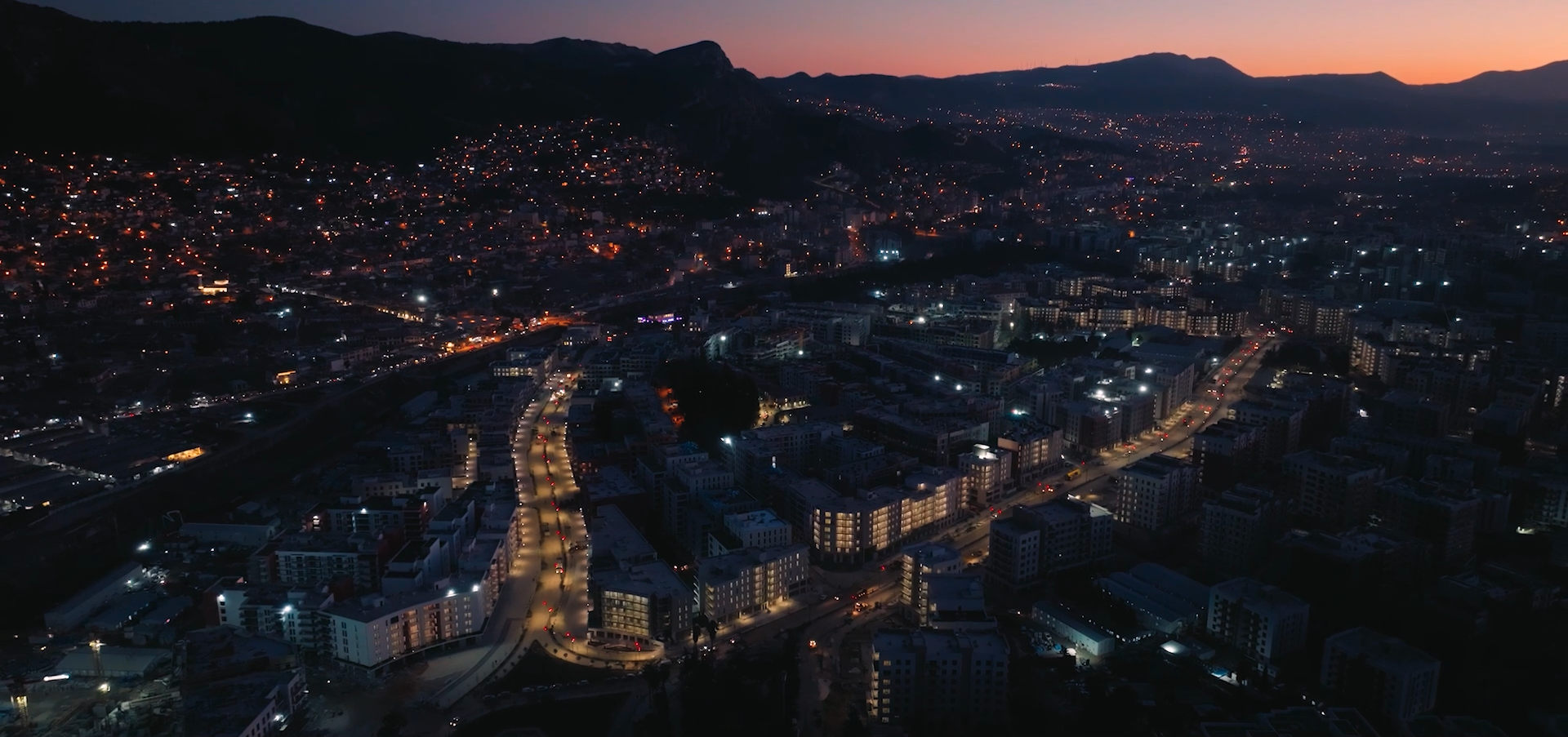
Following the earthquakes of February 6, 2023, Hatay’s city center and historic fabric entered a profound transformation process, not only physically but also socially and culturally.
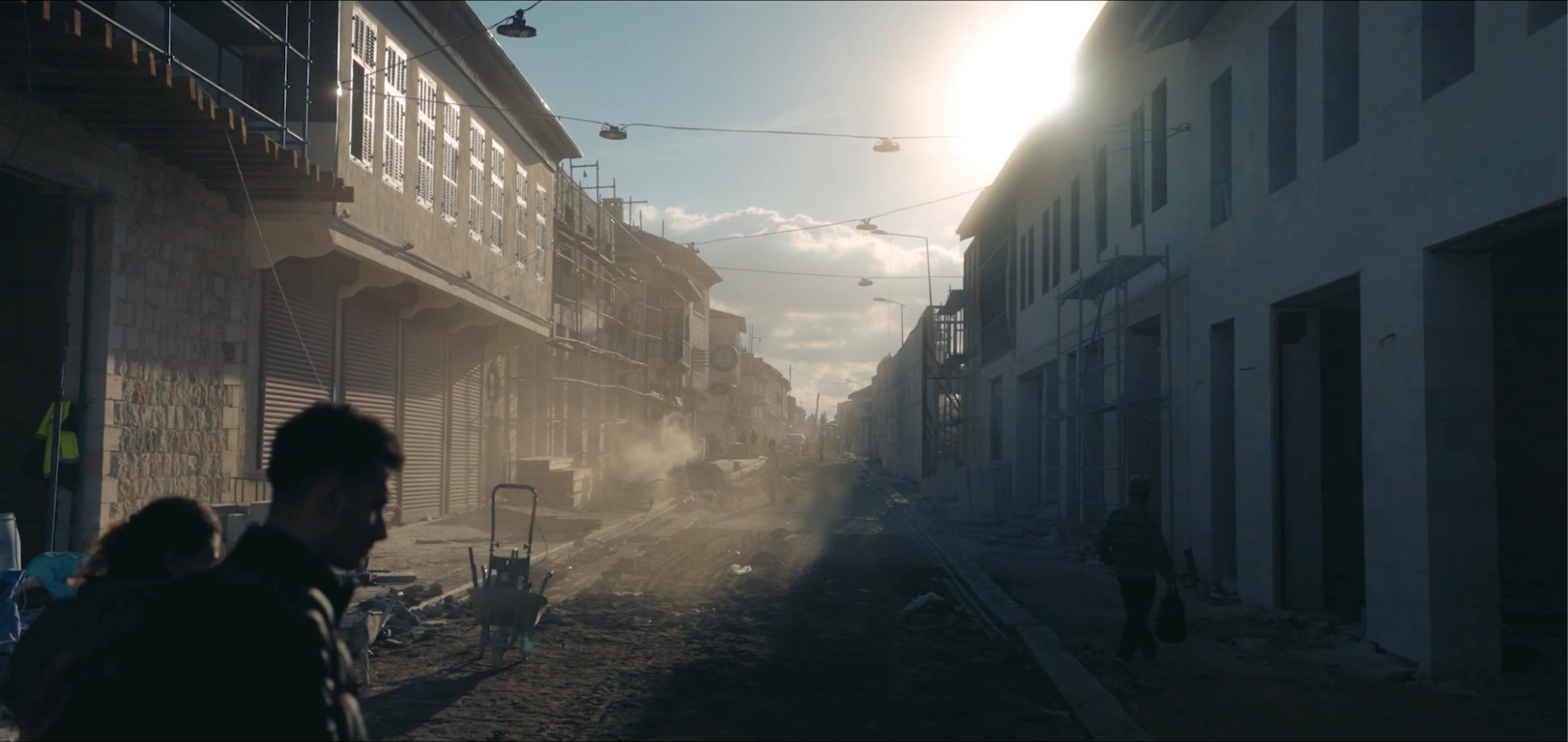
This process has been addressed within the framework of the Hatay revitalisation masterplan, developed in line with the principles of humane urbanism. Within a defined project area (pilot zone), construction and implementation processes have been closely monitored. The study was structured to document post-disaster urban reconstruction and to make visible the multiple layers of this transformation.
As part of the project carried out by FF Creative Space, Hatay’s current condition, development process, and emerging patterns of everyday life were translated into a cohesive narrative through cinematographic documentation and periodic recordings over time.
This approach aims not only to capture a moment, but to create a visual archive that tracks continuity and transformation, offering a long-term reference for the future.

The project addresses post-disaster urban transformation at the scale of the city through a multi-layered framework. Filming conducted across different locations reveals the reconstruction processes of architecture, the use of public spaces, and the re-establishment of everyday life. Within this scope, construction processes were documented through a documentary tracking approach, using drone footage, fixed camera recordings, and cinematographic visuals across multiple scales.
The cinematographic language is positioned not merely as an aesthetic choice, but as a tool to make a complex and sensitive process more accessible and understandable.
Through periodically repeated recordings, both spatial and temporal transformations were made traceable; the project evolved beyond a one time documentation into a continuous monitoring and documentation practice.
Developed by FF Creative Space, this approach offers an alternative framework for interpreting and narrating the reconstruction of cities in post-crisis contexts.
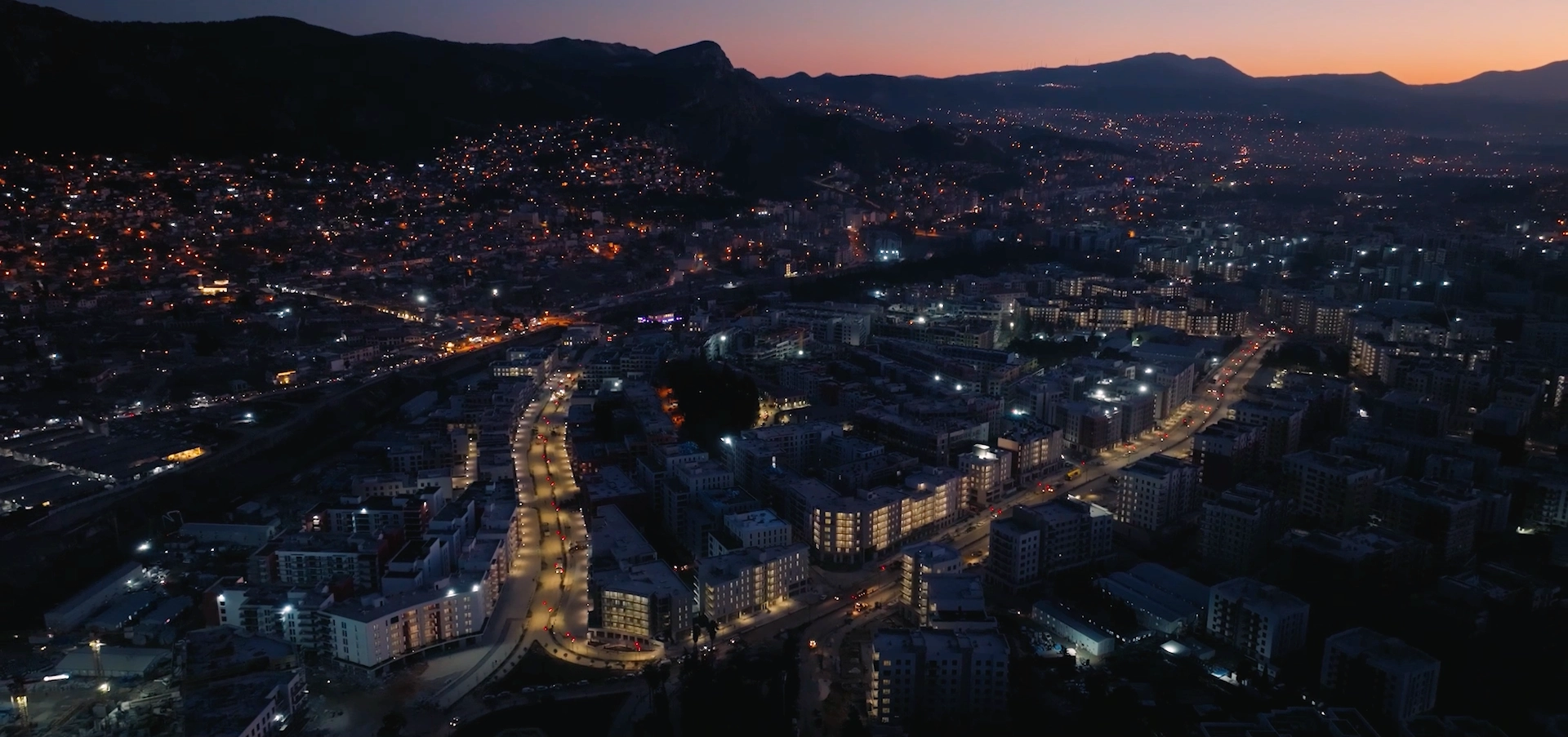
The resulting content goes beyond documentation, forming a layered visual and conceptual archive that makes post-disaster urban transformation legible across multiple scales.
Rather than simply recording the present condition, the project generates a knowledge base that can inform future planning, design, and the process of making decisions through on-site observations, process insights, and spatial transformation data.
This approach opens up new ways of understanding the role of design in post-crisis cities, while making visible the often overlooked processes of production and the re-establishment of everyday life within a broader perspective.
The work moves beyond a single act of documentation, becoming an evolving record that gains value over time.