


Restoration 101 is a 13-episode television series developed by FF Creative Space to bring high-quality restoration practices from across Türkiye to wider audiences, making the processes of cultural heritage conservation more accessible. The project was approached as a holistic content production, from concept development through to broadcast.
Each episode explores the restoration stories of structures from different periods and functions, addressing architectural, historical, and technical layers together, with the aim of not only preserving cultural heritage but also reinterpreting and understanding it.
The series aired throughout 2024 on TRT 2, Türkiye’s national arts and culture channel, and was also made accessible via digital platforms such as YouTube and Tabii, reaching a broader audience.
Developed with the contributions of academics, researchers, architects, conservation specialists, and professionals from various disciplines, and in collaboration with the General Directorate of Foundations and the Ministry of Culture and Tourism, the project has evolved into a comprehensive content series that presents restoration practices in Türkiye from a multi-dimensional perspective.
Restoration 101 adopts a narrative structure that reinterprets restoration; a field requiring technical expertise, in a way that engages diverse audience groups.
Throughout the program, the historical background, current condition, and intervention processes of each structure are transformed into a multi-layered content system through more than 40 interviews conducted with architects, conservation specialists, and practitioners.
Each structure is explored within its own context:
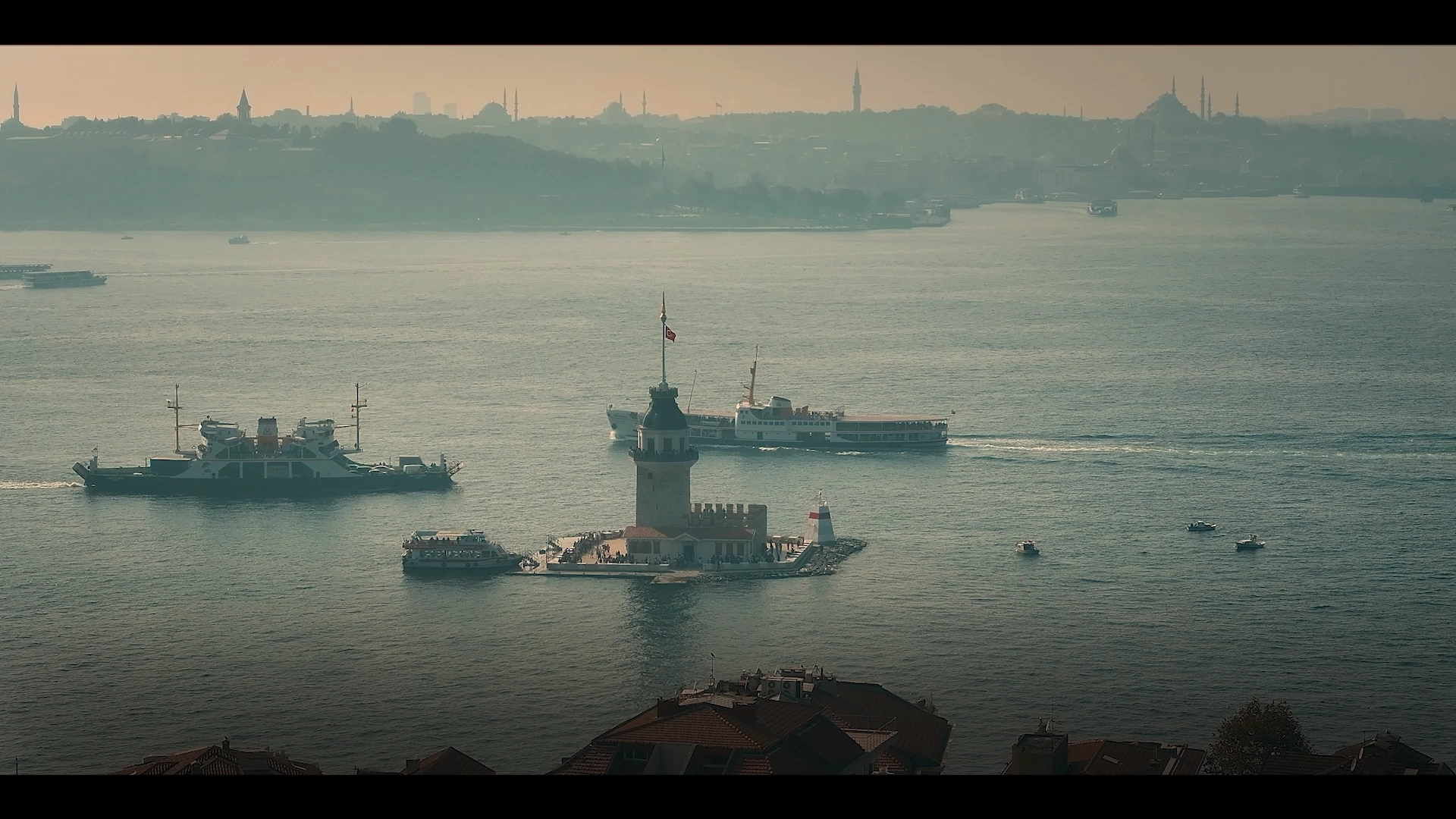
Maiden’s Tower (one of Istanbul’s most iconic landmarks, with a history of nearly 2,000 years),
Zeyrek Çinili Hammam (a 16th-century Ottoman bathhouse),
Istanbul Cinema Museum (a cultural venue reactivated through the transformation of the historic Atlas Passage),
Yedikule Fortress (a defensive complex used during both Byzantine and Ottoman periods),
Rami Barracks (a large-scale structure transformed from a military facility into a public library),
Vaniköy Mosque (a 17th-century Ottoman religious building),
Sultanahmet Mosque (one of the most significant examples of classical Ottoman architecture),
Istanbul Archaeology Museums (one of the early examples of modern museology from the 19th century),
Kariye Mosque (notable for its Byzantine mosaics),
Seddülbahir Fortress (a historic coastal defense structure),
Divriği Great Mosque (a 13th-century structure listed as a UNESCO World Heritage Site),
Yıldız Palace (a late Ottoman imperial complex), and
Bodrum Castle (a historic castle built by the Knights of St. John).
This content framework brings together visual, intellectual, and informative layers, creating a narrative language that simplifies complex technical processes while preserving their depth.
Restoration 101, designed by FF Creative Space as an original format, was realised as a comprehensive project covering all stages of content production and structuring, from concept development to broadcast.
Consisting of 13 episodes, the series has created an accessible content archive through television broadcasting and digital platforms, establishing a lasting reference for restoration practices. This content structure is used as an academic reference and is regarded as a resource that provides knowledge and inspiration for emerging and industry professionals.
Reaching a wide audience, the program has raised awareness of cultural heritage conservation while repositioning restoration not only as a technical practice, but as a field of cultural and social value production.
In this context, all content produced within the project has been considered not as a temporary broadcast output, but as a long-term source of knowledge and narrative.